
Legends Replayed
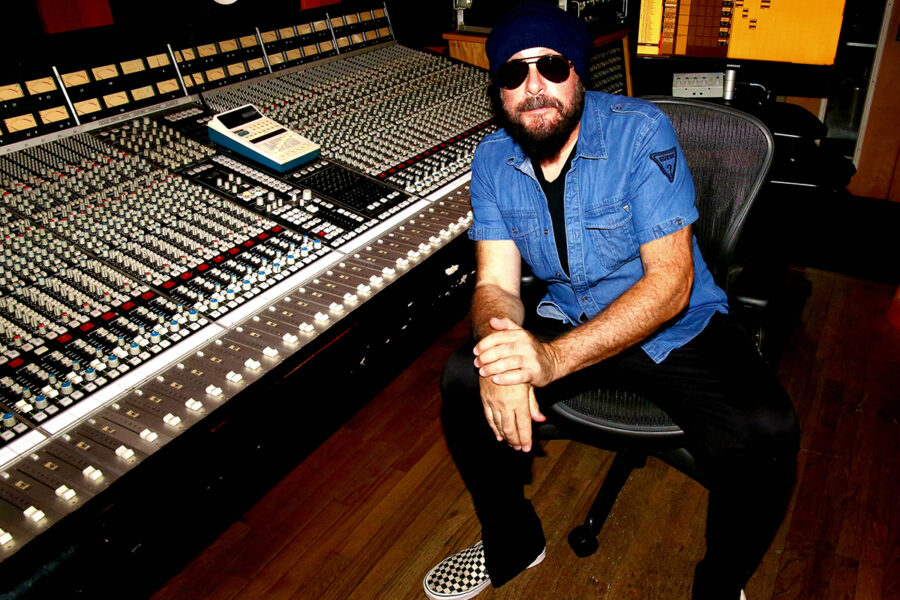
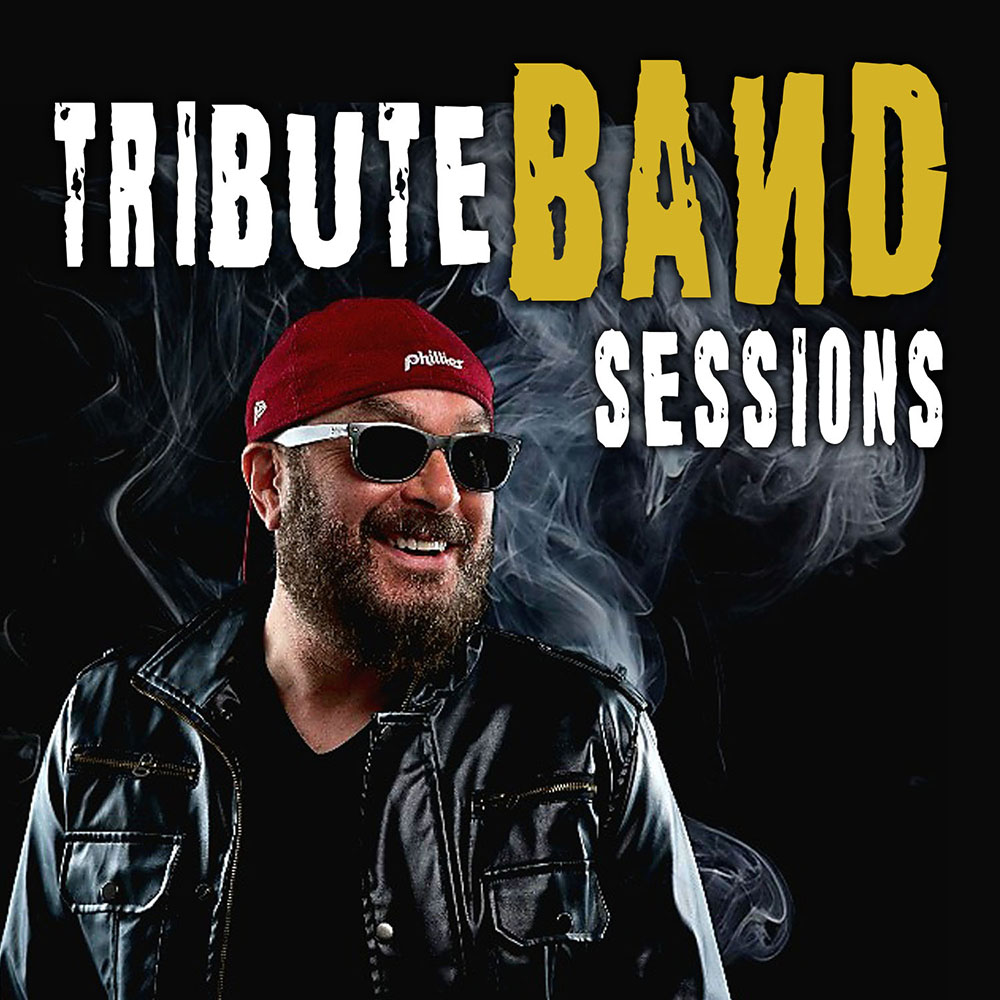
Veteran music industry insider Mike Gendler takes readers inside the world of tribute bands through his podcast, Tribute Band Sessions.
If you pull up event calendars for many venues these days, you might be surprised at how many acts you can see recreating stage shows of legendary artists.
Just at the Keswick Theatre, as this sentence was written, you could order tickets for The Machine Performs Pink Floyd, Lez Zeppelin, Let’s Sing Taylor, and acts recreating the live experience of Chicago, Bob Seger, Johnny Cash, and Rod Stewart.
Mike Gendler, a Philly native and lifelong veteran of the music industry, has noticed the rise of the replica rockers.
Gendler’s podcast, Tribute Band Sessions, chronicles well-known tribute acts and their growing success in duplicating the experience of musical legends. The show occasionally features current Chicago drummer Ray Yslas, who can certainly speak to the challenges of playing classics on stage, as a co-host.
This business goes well beyond mere cover bands. As an example, Gendler cites The Australian Pink Floyd Show, the subject of a recent episode.
“They were talking about the days when they started out, playing Pink Floyd in a small pub without the light show,” Gendler says. “They played pubs for years, but the one thing they got was, ‘you sound exactly like the record.’
“That particular band is selling out Red Rocks now. If you see their show, they have the screens, they have the light show. They have the amount of people it takes, musician-wise, to sound like Pink Floyd. They even have floats that Pink Floyd used.
“I know, being a musician, what it takes to put on a performance like that. The size of the show that it is, the production, the musicianship, the talent. It’s not just a tribute band, it’s a business. They have a full team behind them that manages what they do.”
It’s more than a business, actually. As Gendler points out, tribute acts are a billion-dollar industry. Tribute Band Sessions features plenty of stories of performers who went from playing small clubs to selling out similar-sized venues the original acts played in.
Why are tribute acts so popular? Gendler cites two fairly obvious reasons.
“One is, as we all know, to see the original artists is not cheap anymore. It’s an expensive venture, especially if you’re taking the family. What a tribute band gives you is a different experience. Seeing that artist you were going to pay a lot of money for, for two hours, you’re experiencing that artist.
“The other thing you have to consider is that some bands, especially older bands, aren’t touring anymore. This allows you to experience what it’s like to see Led Zeppelin. Is it exactly Led Zeppelin? No, of course not. But the sound of it, the experience of a live show in a concert venue, is as close as you’re gonna get.”
So, at the risk of us fifty-somethings becoming our parents, maybe the musical artists of our youth really were that great.
“The music that they wrote, it resonates,” Gendler says. “And it resonates across different generations. During these interviews, they say they are so surprised at the youth that comes to shows. They’re getting an experience that they wouldn’t have gotten, or can’t get, going to see a band like Led Zeppelin.”
Gendler knows a bit about how bands earn a living. He’s lived every corner of it, from playing in bands to building and managing them.
“I grew up in Philadelphia, with the Philadelphia music scene. I was playing around the city with an original band (So Sydney). We had really good management, good opportunities.”
Those opportunities included playing a post-concert show for the actual Pink Floyd.
“Our band packed up our gear within a three-hour call, headed to, I believe it was called the Phoenix Club in Philly, and set up. They came over there, and next thing you know, we’re doing a set for Pink Floyd. Just such a cool night.”
Despite having played in front of Pink Floyd, Gendler was realistic enough to recognize the big record deal wasn’t happening. He made a career pivot, founding EBE (Events Beyond Expectations) in an office on Delaware Avenue.
“Music was something that I loved. I wanted to see if there was another avenue to make money. I quickly learned about the private event scene and decided to start a company that did private events. Started with one band in a basement, back in, I think it was the 2000s. I had a partner; we both came from business backgrounds.”
How do you stand out in such a business? By building acts, not just booking them.
“I wanted to create a higher-level product than what I saw out there, to actually produce bands. Build them from the ground up, and then shape them with production the way I wanted to, so I could tell them what songs to play.
“What it allowed me to do was, if the music changes, the bands aren’t still playing the same old, same old. We could shape it and shift it. I built 17 bands from the ground up, everything from three piece to 15-piece bands with big horn sections.”
People with budgets to throw big parties appreciate that level of dedication. EBE became the biggest entertainment company on the East Coast.
“We got to play for major corporations, Apple, Microsoft, NFL, NASCAR, Fortune 500 companies. We had celebrity guests like Taylor Swift, Dave Grohl, the Chainsmokers. We even got to play when the Eagles went to the Super Bowl in Arizona.
“It was a super successful company,” he reflects. “I could have probably had an easier job if we were just an agency, but I’m not sure that we would have had the success.”
After 24 years, his partner wanted to retire, so Gendler sold the company. “I did not see myself doing it with anybody else.”
Mike Gendler still loves music and is staying involved in it. He founded Purple Star Music Group for that purpose, even before departing from EBE.
“I built that so I could produce original music, and work with TV talent. We’ve been pitching reality shows. I was able to do some work with the NFL music team. They’re based in New Jersey, and I did some soundtrack work.”
Another element of Purple Star Music Group’s venture is a podcast celebrating exceptional tribute artists.
After selling EBE, with time on his hands, Gendler found himself seeing tribute bands. He became fascinated not just by how faithfully they reproduced the experience, but by how popular they’d become.
Tribute Band Sessions is dedicated to telling their stories.
“When I built the podcast, my goal was to research it for a year, and just see if there’s anything there. The last thing I wanted to do was put out something that I personally do not feel is interesting, and will keep an audience interested. So, I went and interviewed about 20 bands, management and agents. What I found was every story was fascinating to me.
“I started to shop it around, and got a call back from Spotify, from their whole team, that they wanted to sign a show.”
The first episode was fitting. Gendler interviewed Paul Hammond, the lead guitarist for Get The Led Out, a Philly-based Led Zeppelin tribute act. Get The Led Out currently plays 130 shows a year, with a 14-person crew.
 Other interview subjects include Adrian Conner, the lead guitarist for Hell’s Belles, an all-female AC/DC tribute act, Rich Kosak, frontman for a Kiss clone called Mr. Speed, and Mo Royce Peterson of Tragedy, an all-metal homage to the Bee Gees(!).
“Doing these interviews has just been fascinating,” Gendler shares, “because everybody has a different story of their success.
“The Taylor Swift artist we had on the show (Charity Eden), she basically quit her job and put her life savings into costly costumes, production, paying her band, and music videos she put out. After four or five months, she didn’t get one call. She was like, oops, I might have made a mistake.
“Then one day, she gets a call from an agent. Two years later, she’s touring Japan.”
Tribute Band Sessions is already being very well received; Gendler says 90% of the feedback is overwhelmingly positive. He envisions it growing into other arenas, like reality shows or TV competitions, “sort of like American Idol or the Voice, but for tribute bands.”
“I’m pulling back the curtain behind the scenes for people to take a look and listen to stories of how they got to where they are. The struggles that they had from the very start, to what it takes to produce a money-making machine that this business is today. I think it’s an educational podcast, not only for fans, but for musicians that want to know how to be successful in the business.
“I just appreciate all the work that these guys and girls are putting into a show. I love hearing the stories, and I love live music.
“And I love going out and hearing these bands do it.”
SIDEBAR: From Covers to Creation
While Gendler asserts that there’s a definite distinction between cover bands and tribute acts, he does note that both got their start playing someone else’s music.
“Tribute bands have been around for a long, long time. I remember in our high school shows, students would come up with, say, a Doors tribute band.
“Even original bands that we know to be super famous today started out as a tribute band one way or another.”
He’s not wrong. The Beatles, arguably the most groundbreaking artists in musical history, reproduced “Twist and Shout”, “Roll Over Beethoven”, “Money (That’s What I Want)”, and many other classics on their early albums. Van Halen’s first five records each featured a cover; “Diver Down” had four. You can find a fair bit of online discussion about the compositional origins of nearly half of Led Zeppelin’s first album.
Every musical artist is influenced by their own favorites, and as a result, they help pass the torch of not just musical performance, but musical composition across generations.
One example is YYNOT, one of the more popular Rush clones, who have released several albums of their own original songs. Their music isn’t a direct Rush knock-off, but it does feature the haunting melodies and virtuoso musicianship that helped to grow Rush’s fanatical cult following.
Gendler also points out that many of the popular tribute acts of today have a much easier path to becoming established artists in their own right.
“If you want to venture into writing a song on your own and releasing it, you have a built-in fan base now that you can release it to, versus somebody starting out in their bedroom, releasing an original song, then having to really hit the pavement and get it out there any way they can.”
So, check out a tribute act for your favorite artist. From the live experience you miss to new and exciting music that’s up your alley, there are multiple ways to experience the goosebumps that you crave.